Service · Review & Assess
Independent Application Review
An experienced second set of eyes before you launch.
What it is
An independent, experienced assessment of a website, web application or internal business tool — tailored to what it does, who uses it, and what it would cost you if it went wrong.
It doesn't matter whether your application was generated by an AI coding assistant, written by a developer, assembled from a no-code platform, or some combination. We look at how it actually behaves, how it's built, and the environment it runs in — then tell you clearly what's sound, what needs attention, and in what order.
The review is independent: we're not selling you the fix, and we have no stake in the original build. Our job is to give you an honest, well-evidenced opinion.
Who it's for
- Founders and business owners about to launch, or about to invite more users
- Junior and independent developers who want a senior second opinion
- Agencies wanting independent verification before client handover
- Organizations deciding whether to adopt a tool someone has built internally
Review areas
What a review can cover
Every review is tailored to your application and agreed scope. Not every review includes every item below — a small internal tool and a customer-facing payment portal deserve different attention. We'll recommend what's worth examining.
Security
Whether the application protects the people and information it handles — especially from other signed-in users.
- Authentication and authorization
- Access control and separation between users or customers
- Sensitive data exposure
- Secrets and credential handling
- Input validation
- Session and cookie configuration
- Dependency vulnerabilities
- Security headers
- API exposure
- Deployment configuration
- Common OWASP Top 10 risks
- Cloud and hosting configuration
Application quality
Whether the application does what it should, fails gracefully, and can be safely changed.
- Core functionality
- Error handling
- Code organization
- Maintainability
- Business logic
- Data validation
- Edge cases
- Logging and diagnostics
- Testing practices
Architecture and scalability
Whether the foundations will hold as usage grows — and what will become expensive or fragile first.
- Technology choices
- Database design
- Data access patterns
- Integration dependencies
- Hosting architecture
- Caching
- Performance bottlenecks
- Operational limitations
- Estimated scaling concerns
- Resilience and recovery
Design and usability
Whether people can actually use it — on any device, and with assistive technology.
- Navigation and information architecture
- Form usability
- Accessibility
- Mobile experience
- Responsive behaviour
- Consistency
- Clarity of interface
- User journeys
- Common interaction problems
Operational readiness
Whether you can run it, recover it and keep it up to date without heroics.
- Backups and recovery
- Deployment approach
- Environment separation
- Monitoring
- Update practices
- Security ownership
- Documentation
- Vendor dependencies
- Unexpected recurring costs
What you receive
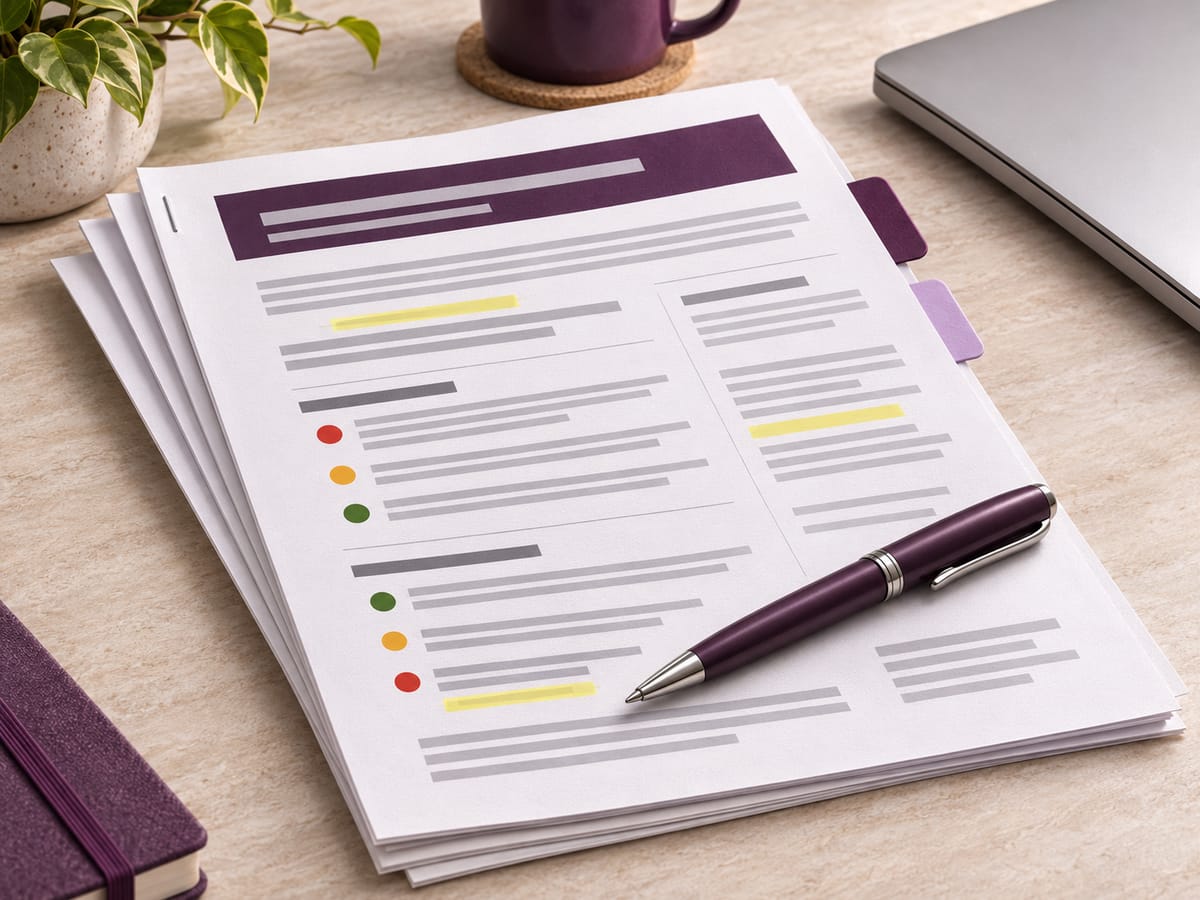
A documented assessment, written for both decision-makers and developers.
- Executive summary. A plain-language overview of where things stand and what matters most.
- Review scope. What we agreed to examine, the access we had, and the version reviewed.
- What was examined. The areas, components and user journeys we actually looked at.
- What could not be examined. Anything out of scope or inaccessible — stated openly.
- Findings and observations. Specific issues and noteworthy strengths, each clearly described.
- Priority classification. High, medium or low, so you know what to tackle first.
- Supporting evidence. How each finding was identified, so it can be verified and fixed.
- Recommended fixes. Practical, specific guidance a developer or AI tool can act on.
- Next steps. A sensible order of work, based on risk and effort.
- Optional follow-up. A conversation to walk through the results and answer questions.
A review is not a certification.
A positive result means we did not identify significant issues within the agreed scope, using the access and time available. It is a professional opinion — not a guarantee that an application is free of vulnerabilities.
What a review is not
- Not a penetration test. We include targeted, authorized checks of how your application behaves, but a formal penetration test is a separate, more extensive engagement. If you need one — for a client contract or compliance — we'll say so.
- Not a compliance audit. We can tell you where practices fall short of common expectations, but we don't certify compliance with any standard or regulation.
- Not an automated scan with a logo on it. We may use tools to support the work. The value is in an experienced person interpreting what matters.
- Not a judgement of how you built it. Using AI tools to build something useful is a good thing. We're here to make the result stronger.
Questions about reviews
More answers on the homepage and in our approach.
How long does a review take?
It depends on the size of the application and the agreed scope. A focused review of a small application is typically measured in days rather than weeks. We'll give you a realistic timeline when we agree the scope — before any work starts.
How much does a review cost?
Pricing depends on scope, so we quote each review individually after an initial conversation. You'll know the cost, the scope and what you'll receive before you commit to anything. All quotes are in Canadian dollars.
Does a positive review mean my application is secure?
No review can guarantee that. A clean result means we didn't find significant issues within the agreed scope, using the access and time available. It's a professional opinion, not a certification. That's why every report states exactly what was and wasn't examined.
Will you test my live production system?
Only if you authorize it in writing and we've agreed what's in scope. Where practical, we prefer to test against a staging or copy environment so your customers are never affected.
Ready for a second set of eyes?
Tell us what you've built and what concerns you. We'll come back with a recommended scope, timeline and quote — no obligation.